March 16, 2026
A vehicle’s transmission is one of its most critical systems, transferring power from the engine to the wheels to enable smooth driving. When your car's transmission begins to fail, even minor issues can quickly escalate into expensive repairs or total system failure. Understanding the common signs of transmission problems can help drivers detect issues early, avoid costly damage, and ensure their vehicle remains reliable. Here are six common transmission problems that drivers should be aware of.
1. Transmission Slippage
Transmission slippage occurs when the vehicle unexpectedly changes gears or struggles to stay in the selected gear. This leads to inefficient power transfer and can significantly impact driving performance. Drivers may notice that the engine revs rise without a corresponding increase in speed, delayed acceleration, or unusual dashboard warning lights.
The causes of slippage are varied. Low or contaminated transmission fluid is a primary culprit, as it reduces the hydraulic pressure necessary for smooth gear engagement. Worn clutches or damaged transmission bands in automatic systems can also contribute. Even minor fluctuations in fluid pressure can trigger gear slippage, which, if ignored, may lead to severe internal damage.
Proactive maintenance and routine car transmission service are key to preventing slippage. Regularly checking transmission fluid levels, having worn components replaced, and following manufacturer-recommended service schedules can mitigate the risk of transmission slippage. According to AutoLeap, more than 40% of vehicle owners need reactive maintenance instead of routine service. Drivers who perform routine maintenance such as fluid changes are less likely to experience unexpected slippage, extending the lifespan of both the transmission and engine. Ignoring slippage can increase strain on the engine, reduce fuel efficiency, and, over time, necessitate costly repairs.
2. Rough Shifting
Rough or jerky gear changes are common in vehicles with either manual or automatic transmissions. Rough shifting may feel like sudden lurches, delayed transitions between gears, or resistance when changing gears. This issue is more than a minor annoyance—it signals potential mechanical or hydraulic problems.
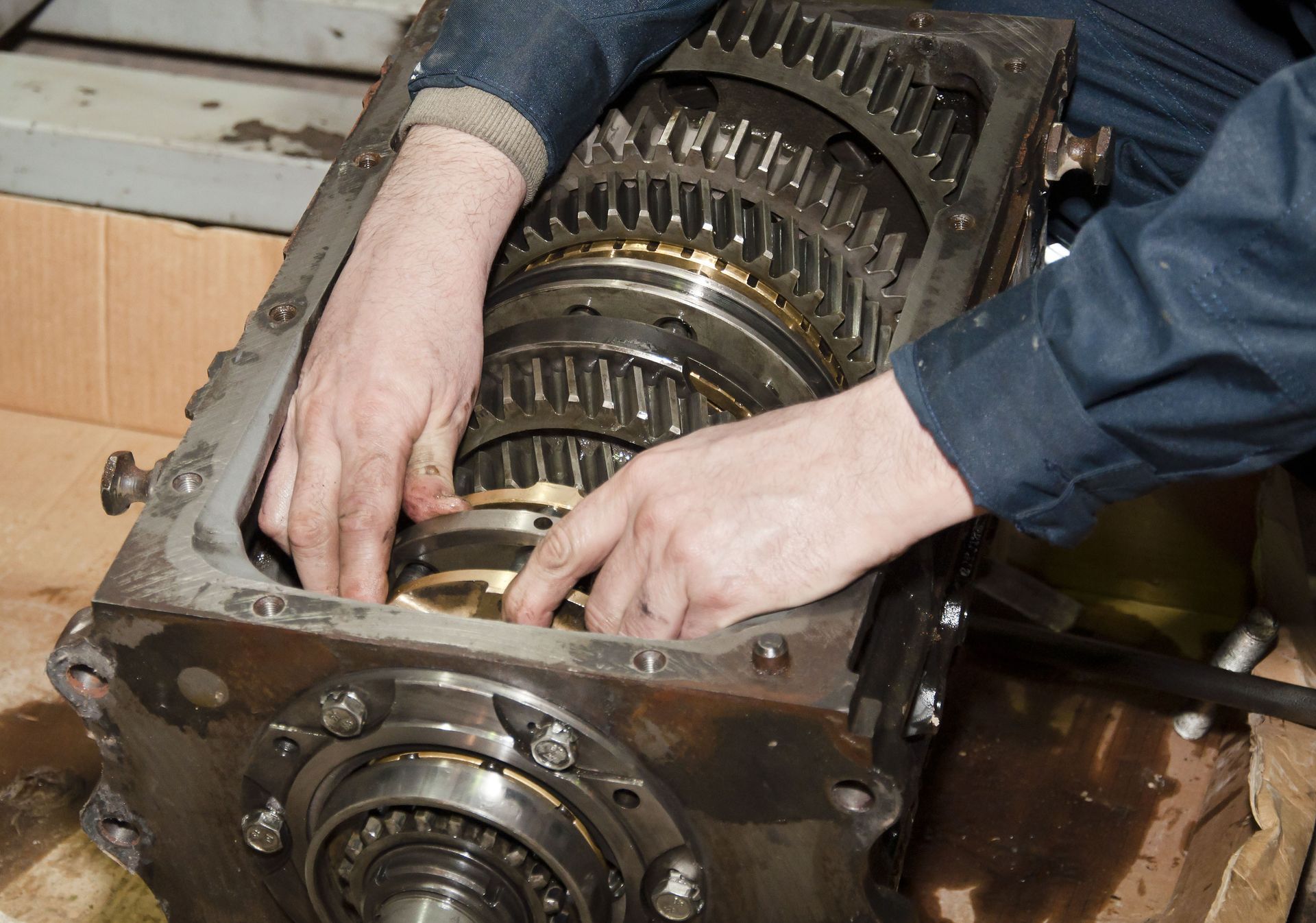
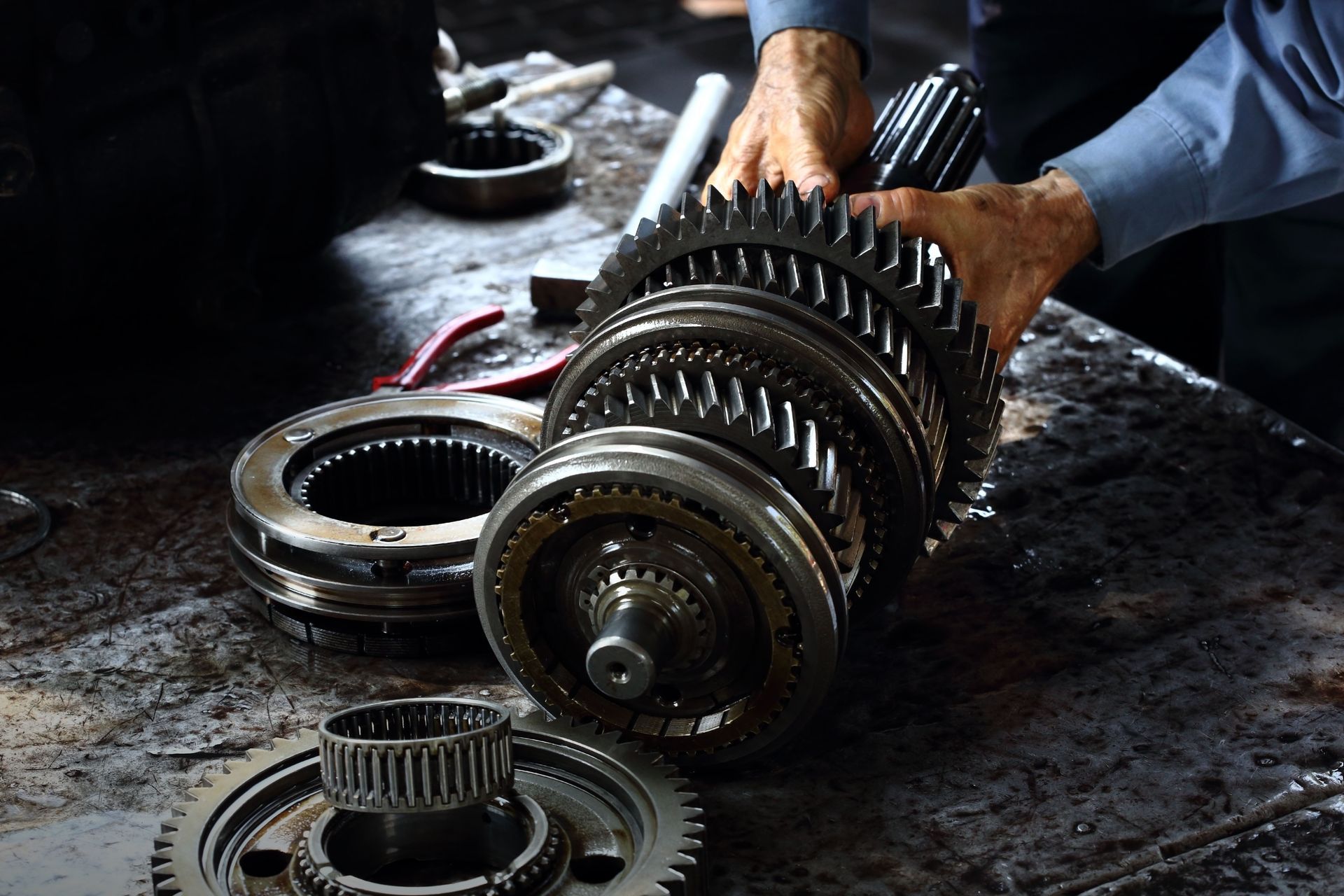
Mechanical causes of rough shifting include worn gears, damaged synchronizers, or faulty bearings. In automatic systems, hydraulic problems such as low fluid levels, fluid contamination, or inadequate pressure can prevent smooth engagement. Over time, persistent rough shifting can lead to accelerated wear of transmission components, resulting in decreased efficiency and higher repair costs.
Detecting rough shifting early is critical. Drivers should pay attention to how their car responds during gear changes, noting any sudden jerks or vibrations. Routine car transmission service, transmission fluid inspections, and timely replacement of worn parts can prevent small problems from escalating. In addition, staying alert to changes in shifting behavior ensures safer driving, as rough gear transitions can compromise vehicle stability and control.
3. Delayed or Harsh Gear Engagement
Delayed or harsh gear engagement occurs when there is a noticeable pause between shifting a gear and the vehicle responding. Harsh engagement can feel like a jolt as the gear finally connects. This problem affects acceleration, fuel efficiency, and overall driving comfort.
Common causes include low transmission fluid, degraded fluid, worn internal components, or failing sensors. In modern vehicles, the transmission control module plays a vital role in signaling gear shifts. A failing transmission control module can delay communication between the gear lever and the engine, resulting in sluggish or rough engagement.
Regular car transmission service and maintenance are essential to prevent delayed engagement. Having fluid levels checked, filters replaced, and worn components serviced ensures hydraulic systems maintain adequate pressure for smooth operation. Ignoring this issue can strain the engine, reduce acceleration efficiency, and even damage the torque converter. Drivers who address delayed or harsh engagement promptly can maintain optimal performance and prevent more extensive, costly repairs.
4. Unusual Noises and Vibrations
Hearing unusual noises or feeling vibrations while driving often indicates underlying transmission problems. These may include whining, clunking, humming, or grinding sounds, frequently accompanied by vibrations felt through the steering wheel or seat.
Noise and vibration can result from various issues. Low transmission fluid or contaminated fluid may cause whining sounds, while worn gears, bearings, or synchronizers can create grinding or clunking noises. Misaligned transmission mounts or imbalanced driveshafts can produce vibrations. Recognizing the type and timing of these sounds is crucial for accurate diagnosis.
Prompt attention is essential. Routine car transmission service from a certified mechanic can identify wear patterns or damaged components before they lead to complete transmission failure. Addressing these early symptoms can prevent the costly chain reaction of repairs that often occurs when minor noises are ignored. Additionally, resolving vibration issues improves driving comfort and vehicle stability, which is especially important for long-distance or frequent drivers.
5. Transmission Fluid Leaks
Transmission fluid plays a critical role in lubricating and cooling transmission components. When fluid leaks occur, the transmission can overheat, slip gears, or sustain severe internal damage. Leaks often appear as red or brown fluid spots under the vehicle, but some leaks may be less visible, requiring careful inspection.
Common sources of leaks include worn seals, damaged gaskets, or loose connectors. Transmission pan gaskets, cooler lines, and seals on various connections are frequent culprits. If left unchecked, fluid loss reduces lubrication, causing overheating and accelerated wear of gears, clutches, and other internal components.
Preventing leaks starts with routine visual inspections. Scheduling routine car transmission service, having your car's fluid levels checked regularly, and monitoring for puddles under the vehicle can help detect early signs. Prompt replacement of worn gaskets and seals, along with proper fluid maintenance, minimizes the risk of extensive transmission damage. Addressing fluid leaks proactively not only prevents breakdowns but also maintains optimal driving performance and fuel efficiency.
6. Overheating Transmission Systems
Transmission overheating is a severe problem that can rapidly lead to internal damage or total system failure. Overheating reduces fluid effectiveness, preventing proper lubrication and cooling. Common causes include low fluid levels, clogged transmission coolers, or inefficiencies in the vehicle’s radiator or cooling system.
Warning signs of overheating include burning smells, transmission warning lights, increased noise, erratic shifting, and slipping gears. These symptoms indicate that heat is stressing the transmission, potentially warping gears or damaging critical components.
Preventive measures are essential. Maintaining correct fluid levels, replacing fluid at recommended intervals, and inspecting the cooling system can prevent overheating. Drivers should also avoid prolonged heavy towing or steep hill driving without monitoring transmission temperature. Timely intervention minimizes the need for reactive maintenance, which is often far more expensive than routine car transmission service.
Proactive attention to overheating ensures transmission longevity, safe operation, and reduced repair costs.
Transmission issues—whether slippage, rough shifting, delayed gear engagement, unusual noises, fluid leaks, or overheating—can compromise vehicle performance, safety, and longevity. Understanding these problems and addressing them promptly allows drivers to avoid costly repairs and maintain smooth, reliable operation. Regular inspections, timely fluid checks, and professional diagnostics are essential strategies for protecting your transmission.
By taking a proactive approach, vehicle owners can catch problems in their early stages, prevent escalation, and ensure their car remains safe and efficient. Investing in routine maintenance today avoids the substantial expenses and stress of reactive transmission repairs tomorrow. When it comes to keeping your car running smoothly and safely, Transmissions And More is the go-to expert for all your car transmission service needs in St. Charles and the surrounding areas. Call or visit us today for a free estimate.