May 13, 2026
Ignoring a rhythmic clunk or a slight hesitation when your vehicle shifts gears might seem like a minor inconvenience, but it is actually a ticking financial time bomb that threatens your bank account. The transmission is one of the most complex components of any automobile, acting as the critical bridge that transfers power from the engine to the wheels through a sophisticated network of gears, sensors, and hydraulic fluids. When a driver chooses to overlook the early warning signs of mechanical distress, they are essentially allowing a small, manageable issue to snowball into a catastrophic failure that could eventually necessitate a total system replacement. This article explores the various ways that procrastination regarding vehicle maintenance leads to exponential price hikes, ensuring that you understand why immediate action is the only logical choice for savvy car owners. By examining the mechanical degradation that occurs over time, the rising costs of specialized labor, and the current state of the automotive market, we can see why transmission repairs should never be pushed to the bottom of your to-do list.
Recognizing Early Warning Signals
Identifying the subtle symptoms of a failing gearbox is the first step toward avoiding a massive financial headache later down the road. Many drivers mistakenly believe that if the car is still moving, the problem isn't urgent, but this logic is fundamentally flawed when it comes to sophisticated powertrain systems. Common red flags like a burning smell or fluid leaks serve as your vehicle's way of requesting professional intervention before internal parts start grinding. By addressing these minor hiccups immediately, you can resolve the issue with a simple fluid flush or a sensor replacement rather than a full overhaul. Early transmission repairs are significantly more affordable because they target the root cause before the damage spreads to the more expensive gear sets.
Understanding Mechanical Cascading Failures
Experiencing a cascading failure is perhaps the most devastating consequence of waiting too long to visit a qualified mechanic for your automotive needs. When one small bearing or seal begins to fail, it creates a ripple effect that puts undue stress on every other interconnected component within the transmission housing. For instance, a small leak leads to low fluid levels, which then causes increased friction and overheating, eventually warping the metal plates and melting the delicate rubber seals. This internal heat is the primary enemy of longevity, and once the temperature exceeds safe limits, the properties of the lubricant break down. Consequently, what started as a hundred-dollar fix quickly evolves into a situation where dozens of parts must be replaced. Prioritizing transmission repairs at the first sign of trouble prevents this destructive chain reaction from gutting your vehicle's mechanical integrity and your personal savings.
Evaluating Rising Replacement Expenses
Calculating the total cost of a major automotive intervention requires looking at the price of raw materials and the complexity of modern engineering. In the past decade, transmissions have evolved into highly advanced systems that require specialized tools and high-tech diagnostic equipment. Because these newer systems are so intricate, the price of individual components has skyrocketed, making it nearly impossible to find cheap, quick fixes for neglected units. Furthermore, the specialized fluids required for modern vehicles are often proprietary and expensive, adding another layer of cost to any significant service. Choosing to invest in minor transmission repairs early on allows you to maintain the health of these expensive parts rather than being forced to buy an entirely new or remanufactured unit. The financial gap between a preventative service and a full replacement is often several thousand dollars, a difference that most households simply cannot afford to ignore.
Analyzing Current Market Trends
Considering the broader economic landscape is essential for understanding why keeping your current vehicle in top shape is more important than ever before. The automotive industry has faced significant shifts in supply and demand, which have directly impacted the pricing of both new and pre-owned automobiles. According to AutoLeap, used vehicle sales increased by roughly 9% from 2019 through 2025. This surge in the used market means that the value of your existing car is likely higher than it used to be, but it also means that replacing it with another reliable used vehicle will cost you a significant premium. Because the barrier to entry for a "new-to-you" car has risen so sharply, it makes far more financial sense to fix what you already own. By staying on top of your transmission repairs, you protect your investment in an appreciating asset and avoid being forced into a high-interest auto loan for a replacement vehicle in a volatile market.
Budgeting For Professional Labor Rates
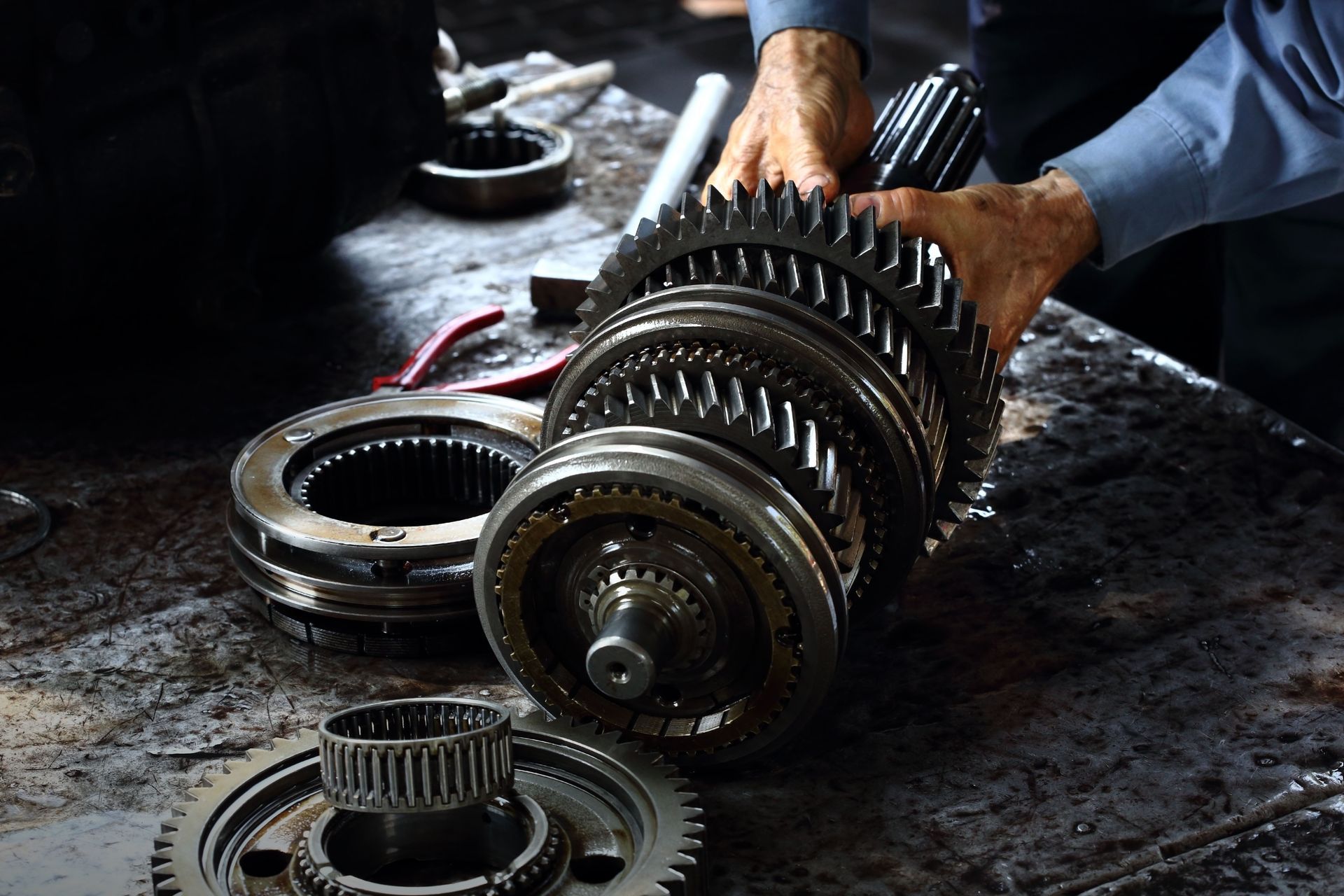
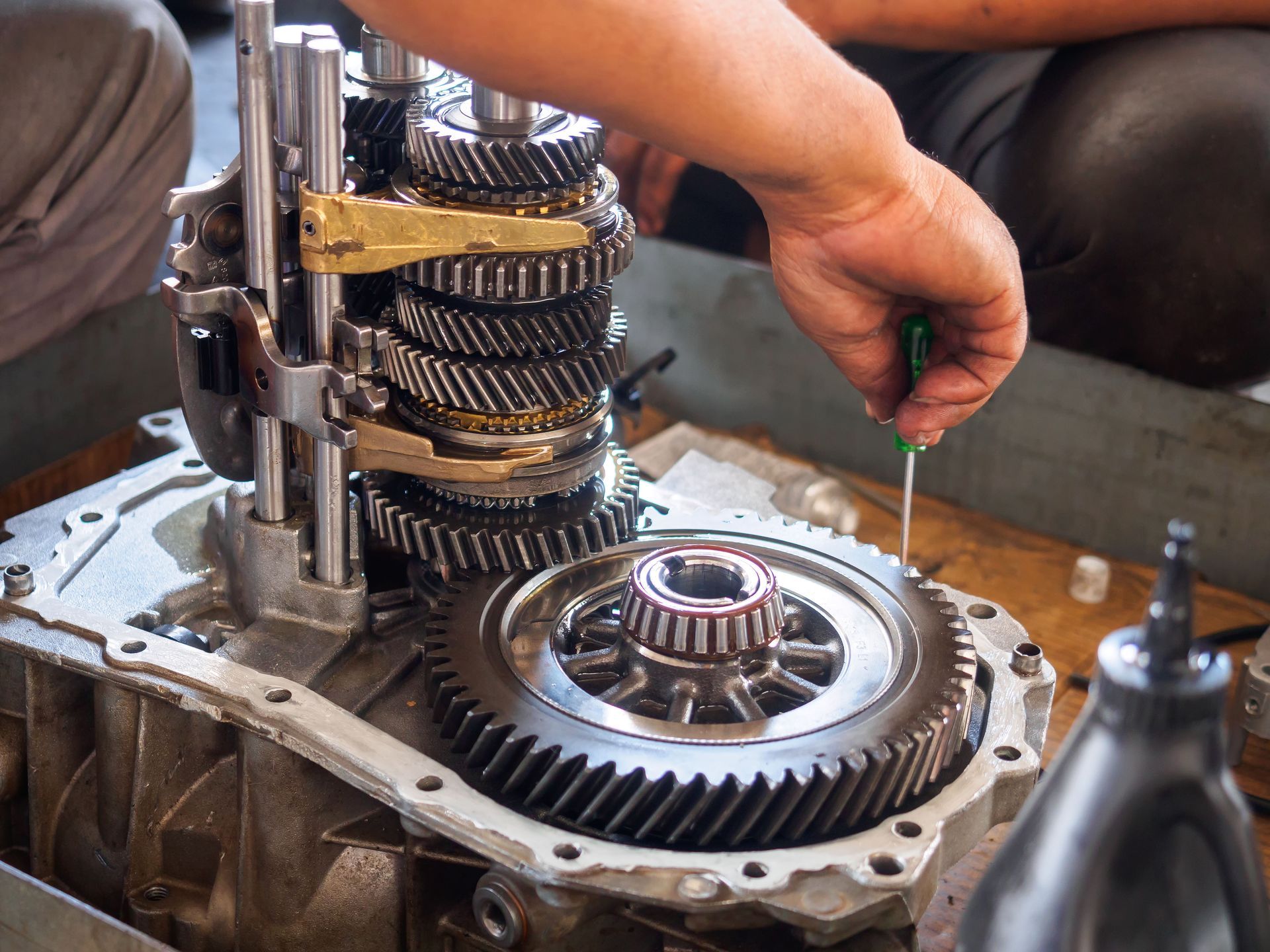
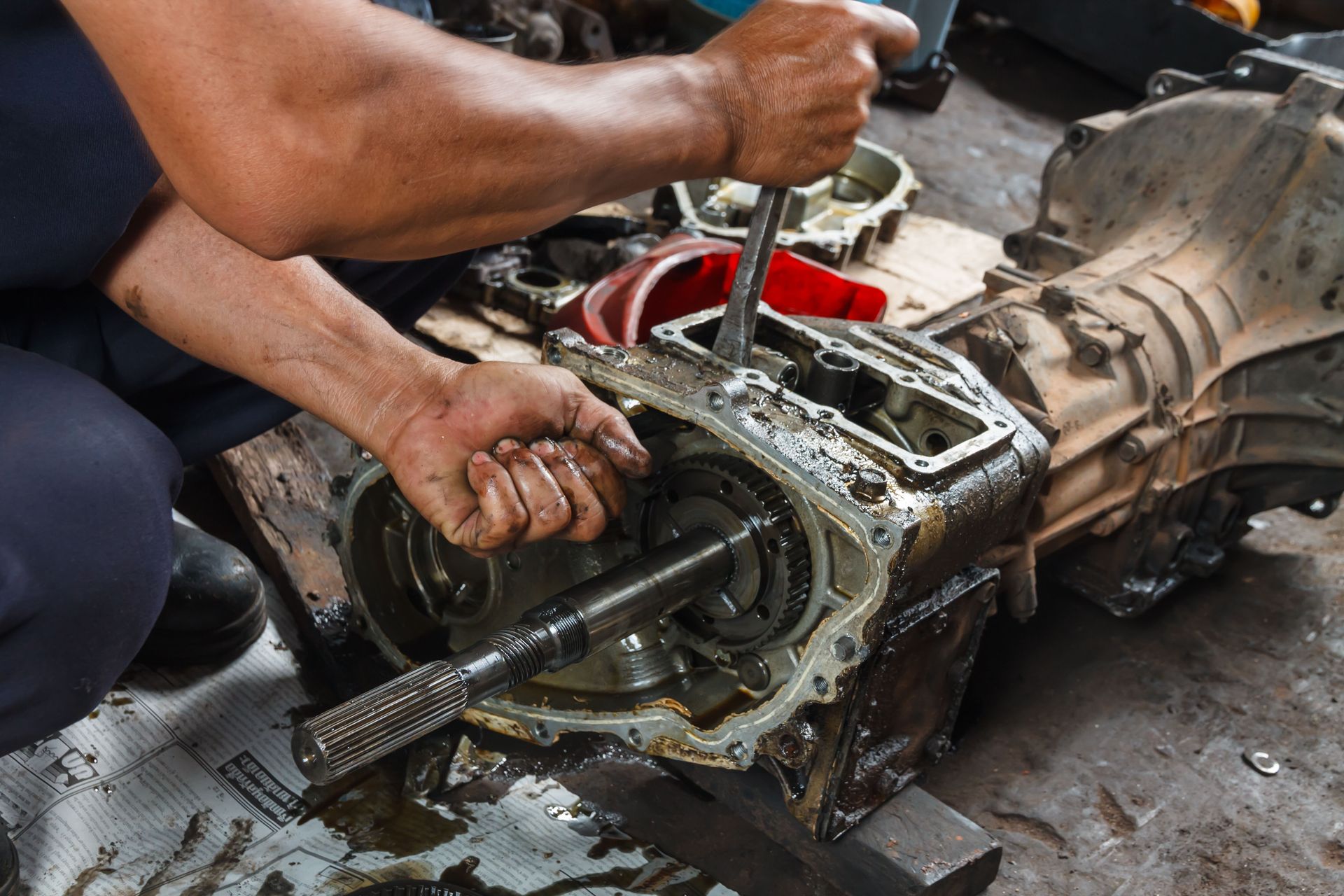
Accounting for the hours of skilled labor required to pull a transmission out of a vehicle is a sobering reality for any car owner. Mechanics who specialize in drivetrain systems are highly trained professionals who command high hourly rates because of the precision work involved in their craft. A simple repair might take a few hours of labor, but a total rebuild can take several days of meticulous disassembly, cleaning, and reassembly. When you delay maintenance, you aren't just paying for more parts; you are paying for the dozens of additional hours the technician must spend trying to fix the extensive collateral damage caused by your procrastination. Every day you wait adds to the potential complexity of the job, which translates directly into more billed hours on your final invoice. Timely transmission repairs minimize the time your car spends on the lift, which is the most effective way to keep your labor costs within a reasonable and manageable range.
Assessing Vehicle Downtime Impact
Factoring in the indirect costs of a broken vehicle is just as important as looking at the mechanic's bill itself. When a transmission finally gives out completely, your car is no longer drivable, leaving you stranded and potentially requiring an expensive tow truck service to get to the shop. Once the vehicle is at the garage, a major repair or replacement can take a week or longer to complete, during which time you may need to pay for a rental car or rely on expensive ridesharing services to get to work and school. These "hidden" costs add up quickly and can easily tack on several hundred dollars to the total financial burden of the breakdown. If you had scheduled transmission repairs when the symptoms first appeared, you could have planned the service around your schedule, potentially utilizing a loaner vehicle or arranging a ride with a friend. Proactive maintenance allows you to stay in control of your mobility and prevents a mechanical failure from turning into a logistical and financial nightmare.
The evidence is overwhelming that delaying mechanical attention for your vehicle’s drivetrain is a recipe for financial disaster. From the dangers of cascading mechanical failures and rising labor costs to the increased value of used cars in today’s shifting market, every factor points toward the importance of immediate action. By recognizing the early warning signs and prioritizing routine inspections, you can avoid the thousands of dollars in expenses that accompany a total system collapse. Remember that a well-maintained car is not just a mode of transportation, but a valuable asset that requires careful stewardship to retain its worth and reliability. Don't let a small leak or a minor shudder turn into a major crisis that drains your savings and leaves you without a way to get around. Choose to be a proactive owner today, and your car and your bank account will surely thank you for many miles to come. Do you require transmission repairs around the St. Charles, MO area? Look no further than the team of professionals at Transmissions And More today!